Bug Bite Identification: How to Tell What Bit You (With Pictures)
Educational only. This guide helps you identify bug bites — it is not medical advice. For severe reactions, spreading rashes, or signs of infection, contact a healthcare professional.
Woke up with a mysterious red bump and no idea what caused it? You can usually identify a bug bite from three clues: how it looks, the pattern it makes, and the symptoms you feel. This guide walks through each, with a side-by-side chart and links to detailed pictures for every common bite.
Prefer an instant answer? Our free bug bite identifier lets you identify a bug bite by photo in seconds — snap a picture and the AI tells you what most likely bit you.
Skip the guesswork
Snap a photo and the Bug Bite Identifier app tells you what bit you in seconds — with confidence scores and care tips.
Identify my bite — free appWhat's in this guide
The 3 clues to identify any bug bite
Before you match your bite to a specific insect, run through these three questions. Together they narrow it down fast.
1. Appearance — what does it look like?
Note the size, color, and shape. Is it a small flat red spot or a puffy raised welt? Is there a central dot, a blister, or a bullseye ring? Most bites are red and raised, but the details matter.
2. Pattern — how are they arranged?
One of the most useful clues. A single bite, a line or zigzag of three or more, or a random cluster each point to different insects. Bed bugs famously bite in a line; mosquitoes are usually scattered and single.
3. Symptoms & timing — how does it feel, and when did it appear?
Itch, pain, or both? Immediate or delayed? Bites you notice on waking suggest a night feeder (bed bugs, mosquitoes), while a painful sting felt instantly suggests a wasp, bee, or ant.
Quick tip: take a clear, well-lit photo right away. Bites change over hours and days — an early photo makes identification (and a doctor's visit, if needed) much easier.
Bug bite identification chart
A fast side-by-side comparison of the most common bug bites. For full pictures and treatment, follow the link in each row.
| Bite | Looks like | Pattern | Feels like |
|---|---|---|---|
| Mosquito | Puffy round welt, pale center | Single, scattered | Itchy, fairly quickly |
| Bed bug | Small flat-to-raised red bumps | Line or zigzag of 3+ | Itchy, often noticed on waking |
| Flea | Tiny red dots, sometimes a halo | Cluster, often on lower legs/ankles | Very itchy |
| Spider | Two tiny marks; may swell or blister | Usually one or two | Pain or itch; varies by species |
| Tick | Tick may still be attached; possible bullseye | Single | Often painless at first |
| Chigger | Clusters of small red welts | Cluster, where clothing is tight | Intensely itchy |
| Ant / fire ant | Red bump, fire ant forms a white pustule | Cluster or single | Burning sting, then itch |
| Bee / wasp sting | Red, swollen welt at sting site | Single | Sharp pain immediately |
Want this as a printable image? See the full visual bug bite identification chart.
Mosquito bites
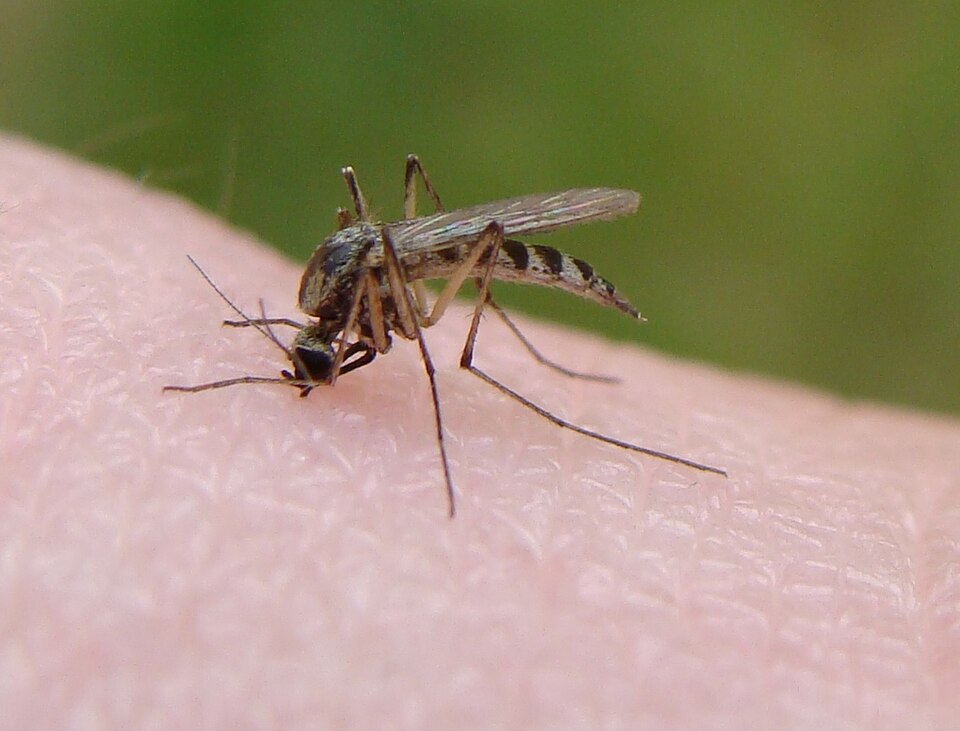
Mosquito bites are the most common bite worldwide — a soft, raised welt that appears within minutes and itches fast. They're usually single and scattered on exposed skin. Read the full guide: Mosquito bite identification.
Bed bug bites
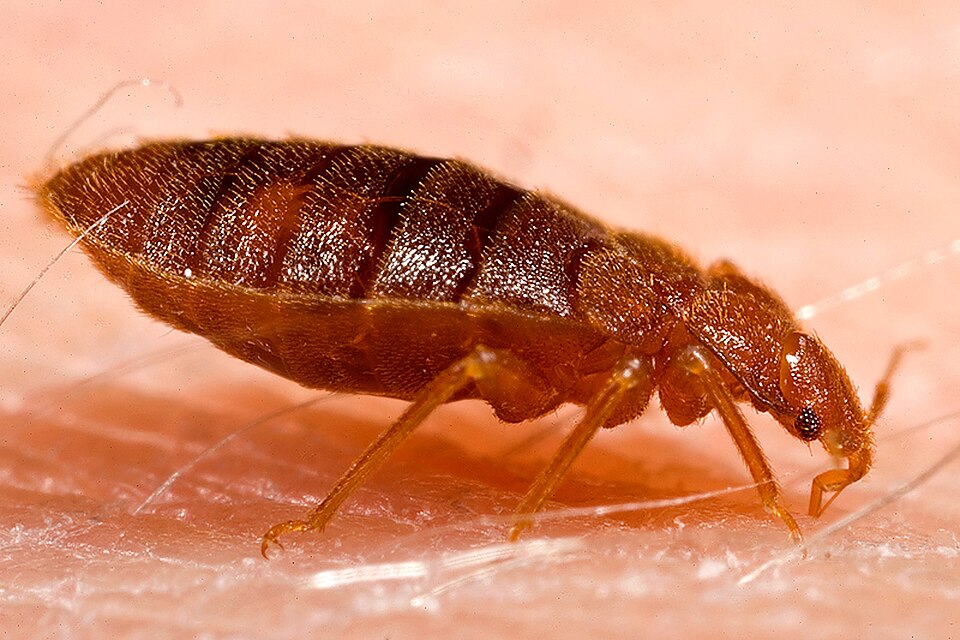
Small, itchy red bumps arranged in a line or zigzag — frequently noticed on waking, on skin exposed during sleep (arms, shoulders, neck). The pattern is the giveaway. Full guide: Bed bug bite identification. Confusing them with mosquito bites is the most common mix-up of all — here's how to tell bed bug bites from mosquito bites.
Spider bites
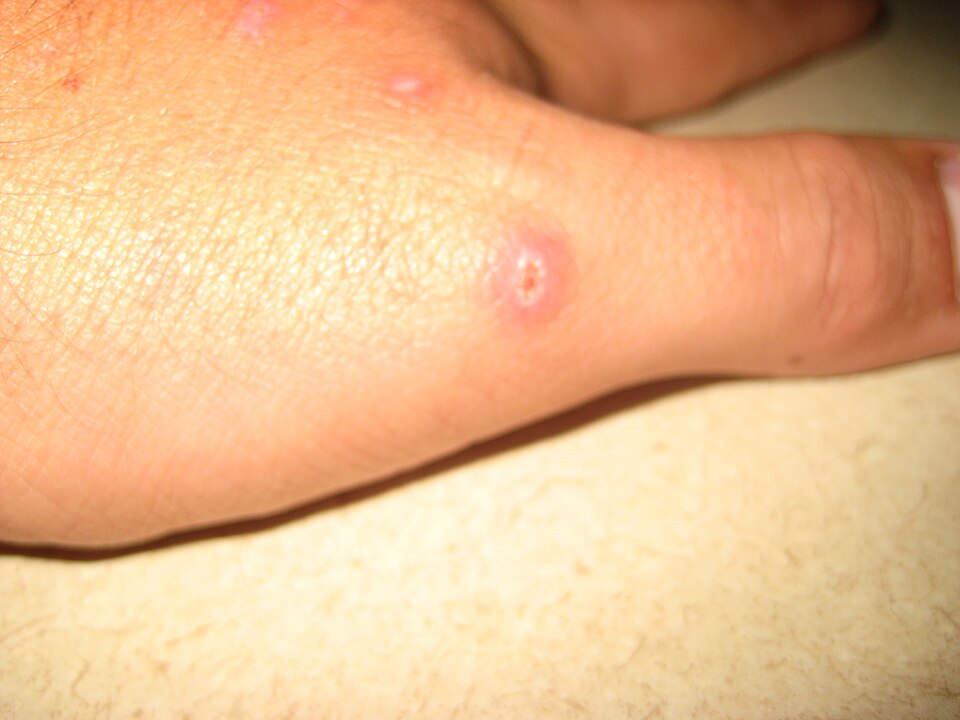
Most spider bites are harmless and look like two tiny puncture marks that may redden and swell. A few species (such as widow or recluse spiders) cause stronger reactions and need attention. Learn the warning signs, the day-by-day stages, and the identification chart: Spider bite identification.
Flea bites
Tiny red dots, often with a faint red halo, clustered on the lower legs and ankles. Intensely itchy and common in homes with pets. Full guide: Flea bite identification.
Tick bites
Often painless — you may find the tick still attached. Watch for an expanding bullseye rash, fever, or fatigue in the days after, which can signal tick-borne illness and warrants a doctor. Remove ticks promptly with fine-tipped tweezers, pulling straight out. Full guide: Tick bite identification.
Chigger bites
Clusters of small, intensely itchy red welts, typically where clothing fits tightly (waistband, sock line). The itch can last for days. Full guide: Chigger bite identification.
Not sure which one is yours?
Take a photo and let the AI compare it against 1000+ species — with a confidence score and care tips for each result.
Download Bug Bite IdentifierWhen to see a doctor
Most bites heal on their own. Seek medical care promptly if you notice any of the following:
- Difficulty breathing, or swelling of the lips, tongue, face, or throat (possible allergic reaction — emergency).
- An expanding bullseye rash, fever, headache, or joint aches after a tick bite.
- A bite that becomes increasingly painful, warm, swollen, or develops pus (possible infection).
- A blistering or ulcerating wound, or a rapidly spreading reaction.
- Any bite in a young child, older adult, or immunocompromised person that worsens.
Frequently asked questions
How can I identify a bug bite?
Look at three things: appearance (size, color, central dot or blister), pattern (single, a line, or a cluster), and symptoms (itch, pain, swelling, and timing). Together they usually point to the culprit. A photo-based identifier app can confirm it in seconds.
What bug bite appears in a line or row?
Bites in a line or zigzag of three or more are most often bed bug bites, which feed along a path of exposed skin overnight.
What bites itch the most?
Chigger, flea, and mosquito bites are usually the itchiest. Resist scratching — it can break the skin and lead to infection.
How do I know if a bug bite is serious?
Get medical help for trouble breathing, facial or throat swelling, a spreading bullseye rash, fever, or a bite that becomes increasingly painful or develops pus.