Mosquito Bite Identification: Pictures, Symptoms & Treatment
Educational only. Not medical advice. See a professional for severe reactions, fever, or signs of infection.
A mosquito bite is the most common bite there is: a soft, puffy, itchy welt that shows up within minutes. Here's how to confirm it's a mosquito, tell it apart from look-alikes, and calm the itch fast.
Not sure it's a mosquito? Use our free bug bite identifier to identify your bite by photo in seconds.
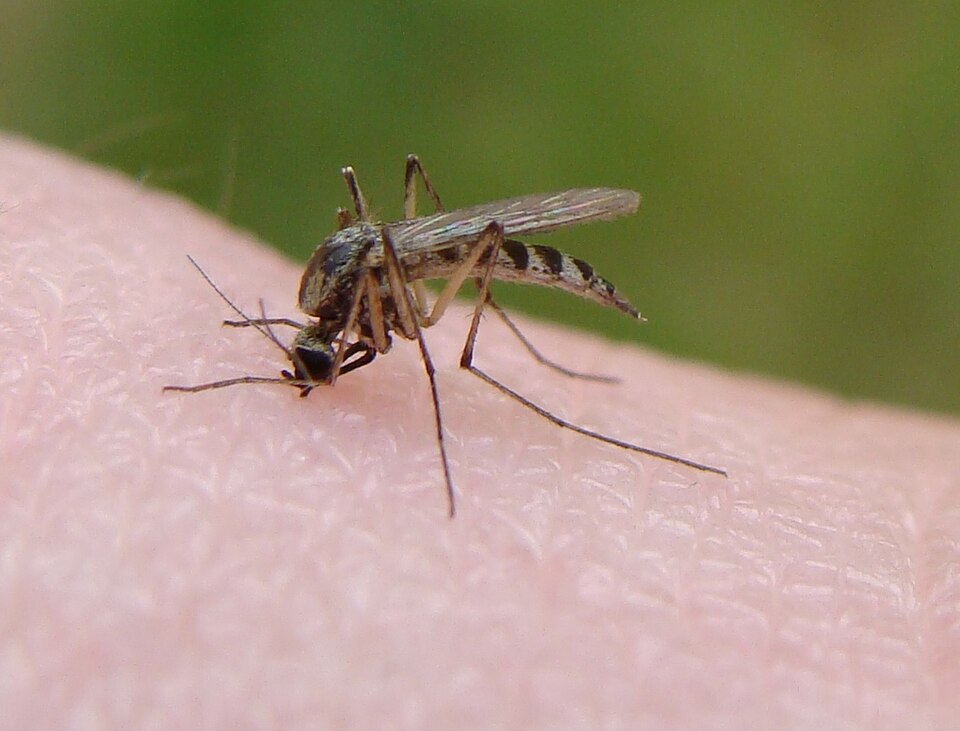
What do mosquito bites look like? Shape & size
A mosquito bite is a round, raised welt — pink to red, soft, and puffy — that appears within minutes of being bitten and turns itchy fast. The shape is typically a smooth, dome-like bump with no sharp edges, and there is often a paler raised dot in the very center where the mosquito's mouthpart broke the skin. The size ranges widely: a small welt may be only 2–4 mm across, while a stronger reaction can puff up to 10 mm or more. Unlike a firm, pinpoint flea bite, a mosquito welt is larger, softer, and squishier to the touch.
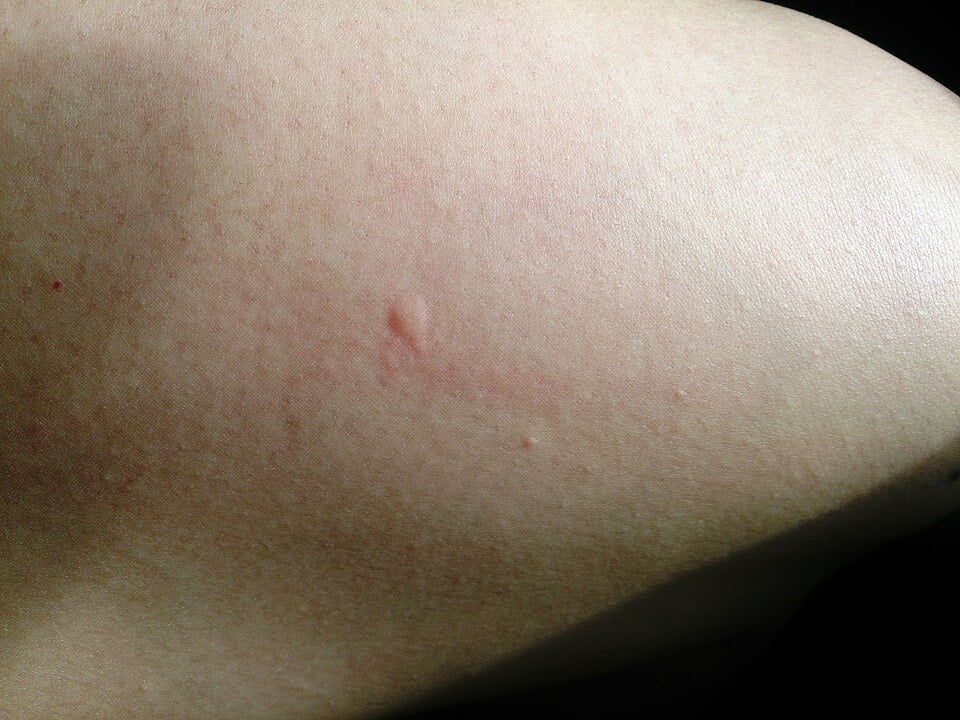
Common mosquito bite symptoms in order:
- A puffy white-to-pink raised bump within minutes of the bite.
- A reddish-brown, firmer bump (or several) a day later.
- Itching — the main complaint, often most intense after a day or two.
- Small blisters, a pale ring, or a faint bruise-like mark in some people.
Mosquito bite blister & the white ring around it
Two looks worry people the most. A white ring (or white circle) around a mosquito bite is normal: it's a wheal, where fluid swelling briefly blanches the skin around the pink-to-red center, just like a hive. It usually settles within a day as redness and itch take over. A mosquito bite blister — a small fluid-filled bump on top of the welt — is also common, especially in children, and reflects a strong local allergic reaction rather than anything dangerous. Try not to pop blisters, since broken skin is the main route to infection.
Infected mosquito bite: how to tell
A normal bite is itchy and steadily fades. An infected mosquito bite does the opposite — it gets worse after the first couple of days. Watch for these signs:
- Spreading redness or red streaks radiating from the bite.
- Warmth, increasing pain, or swelling a few days in, rather than improving.
- Yellow pus or a soft, pus-filled white head (different from the small pale center of a fresh bite).
- Fever or feeling unwell.
These point to a skin infection that may need antibiotics, so see a doctor. Most infections start when scratching breaks the skin — which is the strongest reason to resist the itch.
Skeeter syndrome, mosquito allergy & big swollen bites
If you get a big mosquito bite — a large, hot, firm, swollen area several centimeters across within hours — you may be reacting to mosquito saliva more strongly than most. This is called skeeter syndrome, a local allergic reaction that's most common in young children and people new to a region's mosquitoes. So what does being allergic to mosquitoes look like? Think oversized, warm, sometimes blistered or bruised welts that can be mistaken for an infection or even a spider bite, often with more itching and swelling than a typical bump. Skeeter syndrome is uncomfortable but is not the same as a rare, dangerous whole-body reaction (trouble breathing, throat or facial swelling), which is a medical emergency.
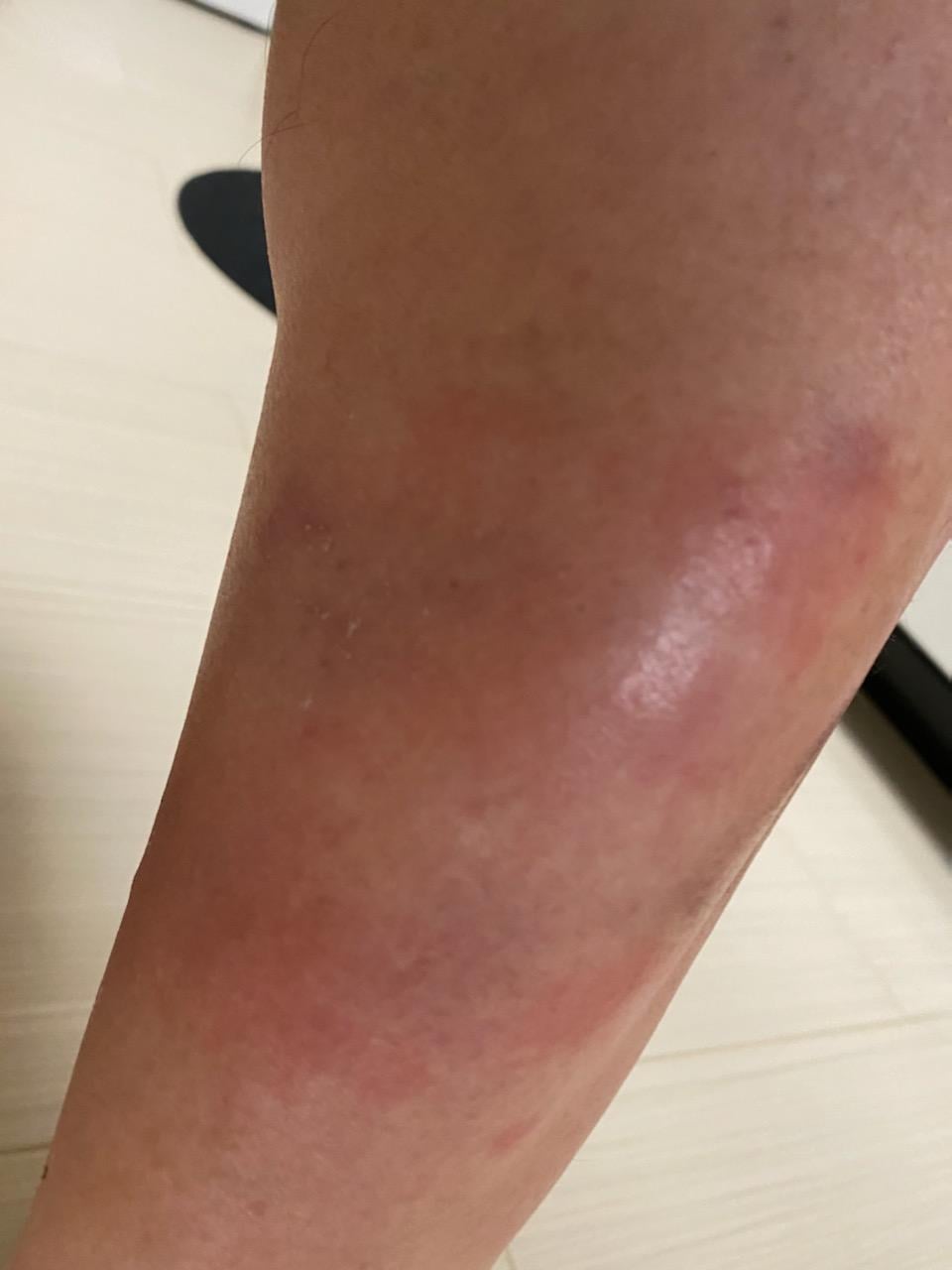
Where mosquitoes bite: lip, chest, face & eyelid
Mosquitoes bite any exposed skin, so location alone doesn't identify them — but some spots cause dramatic-looking swelling. A bite on the lip, eyelid, or face can puff up alarmingly because the loose tissue there swells easily; a single normal bite on an eyelid can nearly close the eye for a day. Bites on the chest, arms, ankles, and legs are everyday targets, especially skin left uncovered outdoors at dawn and dusk. The swelling looks worse on the face than the size of the reaction warrants, and it usually settles on its own.
Mosquito bite on the lip: what it looks like & what to do
A mosquito bite on the lip is one of the most alarming-looking normal bites there is. In pictures of lip bites the tell-tale sign is sudden, lopsided puffiness — one section of the lip balloons while the rest stays normal, often without a visible bump, because the loose lip tissue swells around the bite and hides the welt itself. The swelling usually peaks within a few hours and settles within one to two days, faster than the same bite would fade on an arm.
To treat it: hold a cold compress or wrapped ice cube against the lip in short intervals, take an oral antihistamine as directed (creams aren't ideal on lips since you'll ingest them), and try not to bite, lick, or scratch the area. See a doctor urgently if the swelling spreads to the tongue or throat, affects breathing, or if the lip becomes increasingly painful, warm, or develops pus after the first day — that points to infection rather than a normal bite.
Mosquito bites: cluster or scattered pattern?
Unlike bed bugs, mosquitoes bite randomly, so bites are usually single and scattered across exposed skin. You can still end up with a cluster of mosquito bites in one area — for example several on one ankle after standing in long grass — but they won't form the neat line or zigzag bed bugs leave. A handful of irregular, spaced-out welts in places you had skin showing is the classic mosquito picture.
White bites, black dots, holes & bruise-like marks
A few odd appearances are still normal mosquito bites. A white mosquito bite is just a pale wheal that hasn't reddened yet. A black dot or tiny hole in the center is the puncture point where the mosquito fed. And bites that look like bruises — brownish or purplish marks — happen as broken blood vessels and scratched skin heal, particularly on darker skin tones. These marks fade over a couple of weeks and rarely signal a problem on their own.
Mosquito vs. bed bug, flea & spider
| vs. | Key difference |
|---|---|
| Bed bug | Bed bugs bite in a line or zigzag of 3+ on the upper body and are noticed on waking; mosquito welts are single, scattered, and puffier. Full comparison: bed bug bites vs. mosquito bites. |
| Flea | Fleas cluster on the ankles and lower legs as tiny firm dots with a dark center; mosquito welts are larger, softer, and turn up anywhere skin is exposed. |
| Spider | Spider bites can show two puncture marks, may be painful, and can develop a darkening center; mosquito bites itch rather than hurt and stay puffy. |
Still unsure? Compare yours in the full bug bite identification guide or the visual chart.
Quick tell: if the welt showed up within minutes, itches more than it hurts, and sits on its own rather than in a neat row, it's almost certainly a mosquito.
Confirm it instantly
Snap a photo and the AI tells you if it's a mosquito bite — with a confidence score and care tips.
Identify my bite — free appWhat a healing mosquito bite looks like & how long it lasts
A healing mosquito bite deflates and softens: the puffy welt flattens, the redness fades to pink and then to a faint brown or bruise-like mark, and the itch eases off. Most bites clear within 3–7 days. A large skeeter-syndrome reaction can take one to two weeks, and any leftover dark spot may linger longer before fading completely. The biggest factor in how long a bite lasts — and whether it scars — is scratching, so keeping your hands off it speeds healing.
How to treat a mosquito bite
- Wash with soap and water.
- Apply a cold compress to reduce swelling and itch.
- Use an over-the-counter anti-itch cream (hydrocortisone) or oral antihistamine as directed.
- Avoid scratching — it prolongs the itch and can cause infection.
When to see a doctor
Most mosquito bites are harmless. Seek care for signs of a whole-body allergic reaction (trouble breathing, facial or throat swelling), spreading redness, warmth and pus (possible infection), a very large or worsening skeeter-syndrome reaction that won't settle, or fever and body aches after travel to areas with mosquito-borne disease.
FAQ
What do mosquito bites look like?
A soft, puffy, round welt — pink or red, usually 2–10 mm across, often with a paler raised center — that appears within minutes and itches. Bites are typically single and scattered rather than lined up.
Why does my mosquito bite have a white ring or white circle around it?
A pale or white ring around a pink-to-red center is normal. It's a wheal — fluid swelling from the histamine reaction — that briefly blanches the skin around the bite and usually settles within a day.
Can a mosquito bite turn into a blister?
Yes. Some people, especially children, get small fluid-filled blisters on the welt as part of a strong local reaction. They're usually harmless — don't pop them, since broken blisters can get infected.
How can I tell if a mosquito bite is infected?
An infected bite gets worse after a few days: spreading redness, warmth, increasing pain or swelling, yellow pus or a pus-filled head, red streaking, or fever. See a doctor — it may need antibiotics.
What is skeeter syndrome and what does being allergic to mosquitoes look like?
Skeeter syndrome is a strong local allergy to mosquito saliva: instead of a small welt you get a large, hot, swollen, firm area — sometimes blistered or bruised — within hours. It's most common in young children and isn't the same as a dangerous whole-body allergic reaction.
Can you get mosquito bites on your lip, eyelid, or face?
Yes. Mosquitoes bite any exposed skin. Loose tissue around the eyes and lips swells dramatically, so a single bite there can look alarmingly large even though it's a normal reaction.
What does a mosquito bite on the lip look like?
Sudden, lopsided puffiness on one section of the lip, often without a visible bump — the loose tissue swells around the bite and hides the welt. It peaks within hours and settles in 1–2 days. Use a cold compress; seek care if swelling spreads to the tongue or throat or the lip gets more painful, warm, or pus-filled.
Why does my bite have a black dot, a hole, or look like a bruise?
A tiny dark dot or hole is the puncture mark where the mosquito fed. Brownish or bruise-like marks appear as broken vessels and scratched skin heal, especially on darker skin. They fade over a couple of weeks.
How long do mosquito bites last?
Most fade within 3–7 days. A large skeeter-syndrome reaction can take one to two weeks, and any leftover dark mark may linger longer. Scratching prolongs it and risks infection.