Spider Bite Identification: Chart, Pictures & When to Worry
Educational only. Not medical advice. If you suspect a widow or recluse bite, or have severe symptoms, seek medical care immediately.
Good news first: the vast majority of suspected "spider bites" are harmless and heal on their own. Only a few species cause serious reactions. Here's how to tell an ordinary bite from one that needs attention.
Want a quick check first? Our free bug bite identifier identifies the bite by photo in seconds and flags whether it looks worth worrying about.
What does a spider bite look like?
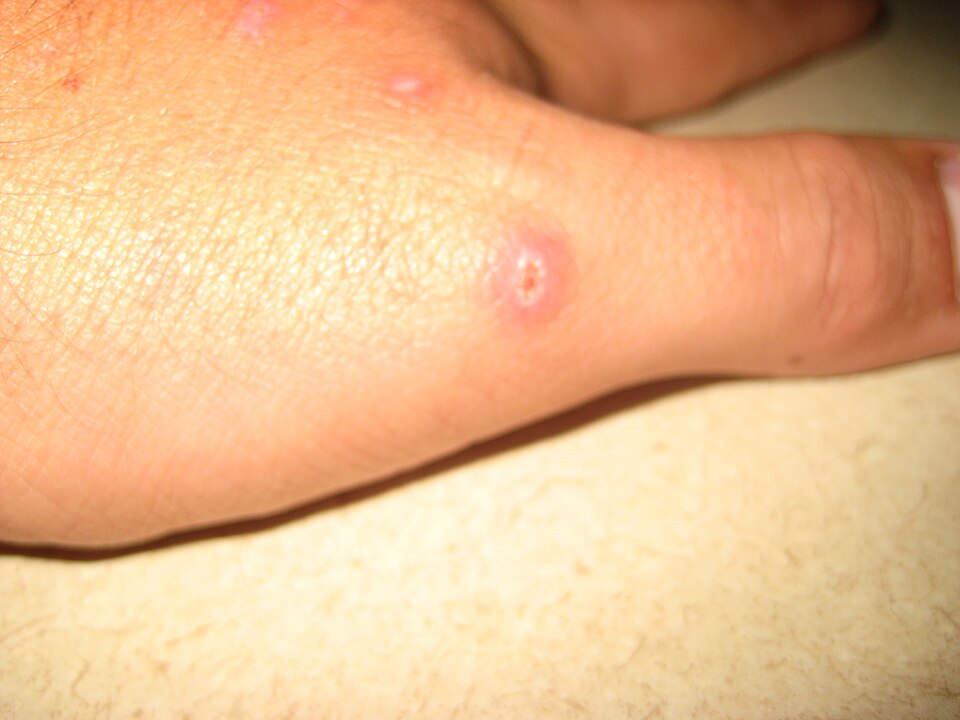
A typical spider bite appears as one or two small puncture marks with surrounding redness and mild swelling — often indistinguishable from other insect bites. It may be slightly sore or itchy, and most fade within a week. A brand-new bite usually starts as a small red bump; what it looks like on day one matters far less than how it changes over the following days.
The honest truth: you usually can't identify a spider from the bite alone. Studies repeatedly find that most wounds people blame on spiders are caused by other insects or are skin infections. So the goal here isn't to name the spider from a mark — it's to tell a harmless bite from one that needs attention.
What a harmless (non-poisonous) spider bite looks like
The vast majority of spider bites are harmless. A normal, non-poisonous spider bite looks like:
- A small red bump or welt, sometimes with one or two tiny puncture points.
- Mild redness and swelling that stays localized — it doesn't keep spreading.
- Itch or mild soreness rather than severe, escalating pain.
- It improves within a few days and clears within about a week.
If that describes your bite, it's almost certainly nothing to worry about — clean it, watch it, and treat the itch.
Spider bite stages: pictures of the early stages, day by day
In the early stages, a spider bite looks like almost any other bite — a small red bump, sometimes with two tiny puncture points. That's why tracking the progression is the most reliable way to judge one. Here's what each stage looks like:
A small red mark or two puncture points, mild swelling, maybe a light sting.
Itchy or a little sore, but stable or improving — not spreading.
Redness fades, the bump flattens and resolves.
Spreading redness, rising pain, or a blister that darkens — get it checked.
- Day 1 (early stage): a red bump or mark, mild swelling, maybe slight stinging.
- Days 2–4: a harmless bite is itchy or a little sore but stable or improving.
- Around a week: redness fades and the bump resolves.
A bite worth worrying about does the opposite — it gets worse over hours to days, with spreading redness, rising pain, or a blister that darkens and breaks down. If the early stages keep escalating instead of settling, treat that as your cue to get it checked.
Two dots, a red ring, or a bullseye — what do they mean?
Two dots: paired puncture marks can come from a spider's fangs, but many insects also leave two marks, so two dots alone don't confirm a spider. Three dots in a triangle or a line of bites point to insects rather than a spider; see what bite patterns mean.
A red ring or circle around the bite: a small red halo is a normal local reaction. But a true expanding bullseye rash appearing days after being outdoors is more characteristic of a tick bite and Lyme disease than a spider — it's worth a doctor's review.
Infected spider bite vs. a normal one
It's easy to confuse a strong-but-normal reaction with a true infection. Suspect infection if, after the first day or two, you see spreading redness and warmth, increasing pain, yellow pus or a pus-filled white head, red streaks running from the bite, or fever. As noted above, many ulcerating "spider bite" wounds are actually bacterial infections such as MRSA — so a worsening wound deserves medical care regardless of what caused it.
Harmless vs. dangerous spider bites
In North America, two groups account for most medically significant bites:
Widow spiders (e.g., black widow)
Bites can cause intense pain, muscle cramps, abdominal stiffness, sweating, and nausea, sometimes spreading from the bite site. Marks may be subtle.
Recluse spiders (e.g., brown recluse)
Bites may start mild, then over hours to days develop a blistering wound that can darken, ulcerate, and heal slowly. Not all recluse bites become severe, but watch the wound closely.
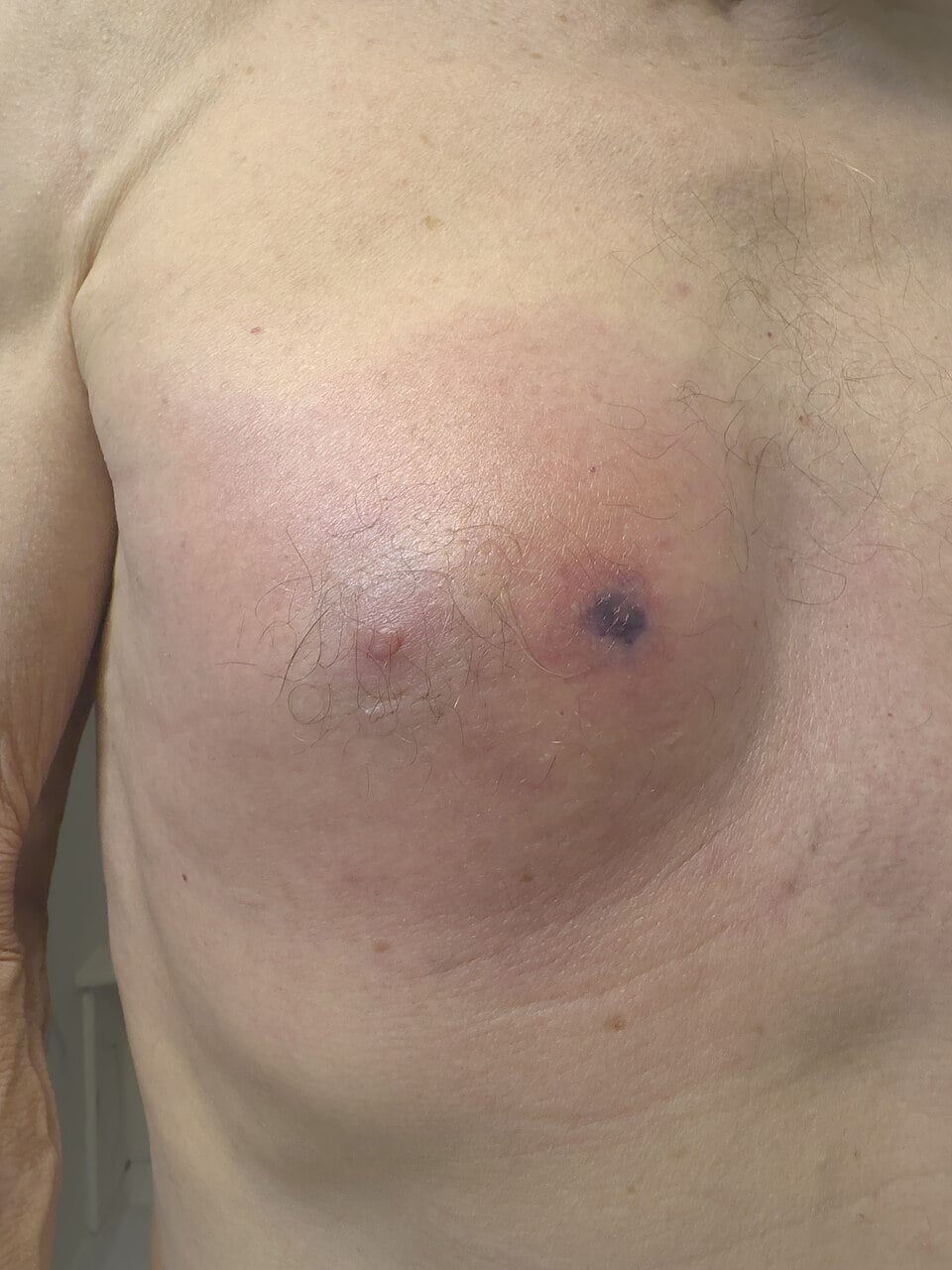
Important: many ulcerating skin wounds blamed on spiders are actually bacterial infections (like MRSA). If a wound is worsening, a doctor's evaluation matters more than identifying the spider.
Spider bite identification chart
Use this chart to compare an ordinary, harmless spider bite against the two bites worth worrying about:
| Type | What it looks like | Pain & timeline | Risk |
|---|---|---|---|
| Common (harmless) | One or two tiny puncture marks, mild redness and swelling | Mild soreness or itch; fades within about a week | Low |
| Black widow | Faint or subtle marks; little to see at the site | Intense pain within 1–2 hours, cramps, sweating, nausea | High — seek care |
| Brown recluse | Mild at first, then a blister that can darken and ulcerate | Often painless early; wound worsens over hours to days | High — seek care |
Caught the spider on camera?
Use the app to identify the spider itself — it covers 1000+ species with danger ratings and key facts.
Identify the spider — free appSpider bites in the UK
If you're in the UK, you can relax about widow and recluse spiders — neither is established there. The spider most often linked to a noticeable bite is the noble false widow, and its bite is usually comparable to a bee sting: localized pain, redness, and swelling that settles on its own. Serious reactions are rare. As anywhere, see a doctor if the wound looks infected or symptoms spread beyond the bite.
For pictures of false widow and house spiders, a UK spider bite identification chart and when to call NHS 111, see spider bites in the UK.
What spider bit me?
This is the most-asked question — and the honest answer is that you usually can't tell from the bite. Most bites look alike, and many "spider bites" aren't from spiders at all. The reliable clue is the spider itself: if you saw or photographed it, identifying the species tells you whether to worry. If you didn't, don't try to reverse-engineer it from the mark — just watch how the wound and your symptoms develop, and use the warning signs below.
Spider bite warning signs — seek care if you have:
- Severe or rapidly increasing pain, or muscle cramps and stiffness.
- A wound that blisters, turns dark/purple, or ulcerates.
- Fever, chills, nausea, or sweating.
- A spreading area of redness, warmth, and swelling (possible infection).
- Any trouble breathing or facial swelling — call emergency services.
How to treat a minor spider bite
- Wash with soap and water.
- Apply a cold compress to reduce pain and swelling.
- Keep the area clean and watch it over the next few days.
- Use OTC pain relief or antihistamine as directed.
Compare with other bites in the full identification guide or the visual chart.
FAQ
How do I identify a spider bite?
Look for one or two small puncture marks with redness and mild swelling, usually on exposed skin. Compare it against the chart above — a common bite stays mild, while widow and recluse bites differ in pain and how the wound changes over the following hours and days. In reality, most bites blamed on spiders are caused by other insects.
What does a harmless spider bite look like?
A small red bump or two tiny puncture marks with mild redness, slight swelling, and itch or soreness. It stays localized, doesn't spread, and fades within a few days to a week — much like a mosquito or flea bite.
What are the stages of a spider bite?
A common bite is red and slightly swollen on day one, itchy or sore over days 2–4, then fades by about a week. A worrying bite does the opposite — it worsens over hours to days with spreading redness, rising pain, or a darkening blister.
Why does my spider bite have two dots, or a red ring around it?
Two puncture marks can come from fangs, but many insects leave paired marks too. A small red ring is a normal reaction; a true expanding bullseye days after being outdoors is more typical of a tick bite and Lyme disease and should be checked.
How do I know if a spider bite is infected?
Suspect infection if you see spreading redness and warmth, increasing pain after a day or two, yellow pus or a pus-filled head, red streaks, or fever. Many ulcerating "spider bite" wounds are actually bacterial infections like MRSA and need a doctor.
How do I know if a spider bite is dangerous?
Warning signs include severe pain, muscle cramps, a darkening or ulcerating wound, fever, nausea, or trouble breathing. Seek care if these occur or you suspect a widow or recluse spider.
Are spider bites dangerous in the UK?
The UK has no widow or recluse spiders. The only species that occasionally bites is the false widow, usually causing bee-sting-like pain and swelling. Serious reactions are rare, but see a doctor if a wound becomes infected or symptoms spread.
How can I tell what spider bit me?
Usually you can't from the bite alone, since most bites look similar. The reliable clue is the spider itself — if you saw or photographed it, identifying the species tells you whether the bite is a concern. Otherwise, watch how the wound develops.